






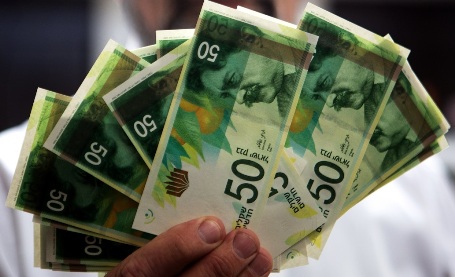
In the last two years, the Israeli economy has gone through an extensive economic upheaval, which has affected almost every family in Israel. The prices of food, housing, services and electronics have climbed significantly, and the ability to "close the month" has become a real challenge. Many consumers find themselves looking for creative solutions to lower their expenses, and the option of purchasing second-hand products has become not only a trend - but an actual necessity that has entered the mainstream.
The bulletin board https://acol.co.il has become one of the main channels for buyers looking for a cheap and reliable alternative to new products. In this article, we will examine in depth how much prices in Israel have risen in the last two years, what caused this, and why more and more people are switching to buying a huge variety of second-hand products - furniture, electronics, baby products, work tools and more.
Chapter 1: The rise in prices - a general picture
1.1 Food and daily consumer products
Food prices in Israel increased at an accelerated rate. The basic product basket has seen increases of 10%-30% on average in recent years - depending on the category. Dairy products, bread, oil, eggs, vegetables and legumes went up step by step.
In addition to this, the increase in the prices of fuel, transport and transportation directly affects the prices of the products. In some cases, companies took advantage of the situation and raised prices beyond their true costs - which intensified the damage to the consumer's pocket.
1.2 Housing and rent
The Israeli real estate market continues to exhibit almost non-stop increases. In the center of the country, rental prices have increased between 10% and 17%, and in some of the sought-after cities even more. Even in the periphery the increases are noticeable, mainly due to high demand from populations pushed outside the center.
Along with the increase in rent, the prices of maintenance, management fees, insurance and related services also increased. For young families, this is one of the most painful sections.
1.3 Electronics and electrical products
Home appliances, computers, telephones and monitors have become more expensive due to a combination of rising import prices, rising prices of raw materials and fluctuations in currency rates. A device that used to cost 2,000 NIS, now costs 2,300-2,600.
In categories such as laptops, gaming monitors and speakers, you can see increases ranging from 7% to 15%.
1.4 Services - a quiet but consistent increase
Transportation services, deliveries, beauty treatments, electrical repairs, plumbing, locksmithing and more - all became more expensive. Many times this is not talked about in the media, but the consumer sees it on the invoice: the price of a haircut increases from time to time, the price of repairing an electrical device jumps, and even small services such as dry cleaning or errands increase prices.
Chapter 2: Why did it happen? The main reasons for the price increase
2.1 Global inflation
Inflation is one of the most influential factors. A global increase in the prices of food, oil, metals, and shipping services also hurt Israel, which does not produce most of its own products.
2.2 The security and economic situation
Security tensions, decreases in productivity, an increase in government spending and uncertainty in the markets have created conditions that make products and services more expensive. Many businesses face additional expenses, and they pass the cost on to the consumer.
2.3 Lack of competition in certain industries
Israel suffers from high concentration - in the areas of food, communications, finance and more. When a small number of companies dominate the market, it is easy for them to maintain high prices.
2.4 Increase in operating and import costs
Costs of deliveries, fuel, workers, logistics and storage increased significantly. When every part of the supply chain becomes more expensive - the final price for the consumer also increases.
Chapter 3: How does the Israeli consumer adapt?
In view of the price increases, consumers undergo a behavioral change:
-
Less buy new, more look for second hand
-
Compare prices between sites
-
Operations "Efficiency" in household expenses
-
We buy quality products - but at a significantly lower price
The second-hand market has been flourishing in Israel in recent months, and especially the ad platforms like acol.co.il which have become a place where you can find almost anything.
Chapter 4: Why buy second hand right now?
4.1 The economic reason - savings of tens of percent
In many cases, a second-hand product costs 30%-80% less than a new product.
In categories such as furniture or baby products - the differences can even reach 90%.
4.2 Many products are "like new"
Many Israelis sell almost new products:
-
Boxes opened once
-
A product that did not match the dimensions
-
Unwanted gift
-
An upgraded device
Very high condition levels can be found, sometimes better than store due to gentle use.
4.3 Second-hand = environmentally friendly
Buying second-hand reduces waste, saves new production and contributes to a circular economy.
The consumer both benefits and protects the planet.
4.4 Availability and immediacy
You don't have to wait for delivery - you simply meet with the seller, check the product and take it home.
It saves time, money and uncertainty.
Chapter 5: The unique advantages of buying through acol.co.il
5.1 Huge variety
Key categories on the site include:
-
Home furniture
-
Electrical products
-
Computers and gaming equipment
-
Baby products
-
Sports equipment
-
tools
-
Bicycles and scooters
-
kitchen appliances
The offer of ads changes and is constantly updated.
5.2 Discovery of rare realities
In an environment where prices soar, you can find bargains on acol.co.il that cannot be found in stores:
Refrigerators at a floor price, new phones in packaging, high-quality desks, almost new washing machines, high-quality baby carriages and more.
5.3 Direct communication with the seller
You can ask questions, get more photos, find out details and haggle over the price.
Trading becomes personal, convenient and reliable.
5.4 Full control over the purchase
There are no surprises - the product is tested on the spot.
The buyer controls the process and is not dependent on delivery, warranty or an unclear supplier.
Chapter 6: Which products are the most profitable to buy second-hand during this period?
6.1 Furniture
Price increases of 20%-30% in this area caused many to look for an alternative.
Tables, chairs, sofas, sideboards, beds - everything can be found at a significantly cheaper price.
6.2 Baby products
This is an area where the savings are huge.
New baby equipment sometimes costs more than a month's salary - so second-hand purchases are very common.
6.3 Electronics
Monitors, computers, printers, speakers - products that are frequently upgraded, so there is a large supply on the second-hand market.
Chapter 7: How to make a smart and safe second-hand purchase?
-
Physical inspection of the product
-
Request video/additional photos
-
Checking market prices
-
Selecting sellers from a nearby area
-
Coordinating a meeting in a public place
-
Full integrity check before payment
Summary: in a world where prices are rising - second-hand is the smart solution
The Israeli consumer, who feels the price increases very well, is looking for ways to cope.
The second-hand market has become a solution that makes it possible to live at the same standard of living - but at a much lower price.
The bulletin board acol.co.il provides a convenient, rich and safe platform to find quality products at prices that cannot be found in stores.
In an era where the cost of living is only climbing, the wisdom of buying is changing - and Israelis understand that it is worth buying smart, saving money, and earning more.